
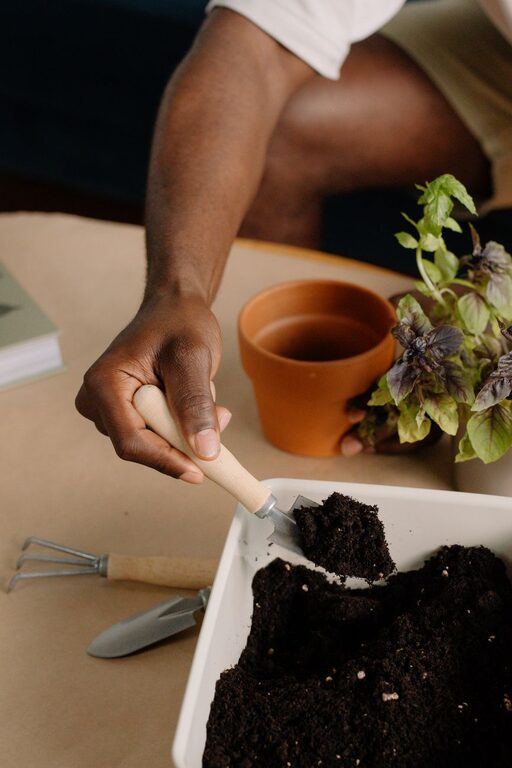
How to Start a Small Herb Garden Indoors: A Simple Step-by-Step Guide
Starting a small herb garden indoors is a rewarding way to bring fresh flavors and greenery into your home. Whether you have limited outdoor space or want to enjoy fresh herbs year-round, growing herbs inside is easier than you might think. This guide will walk you through everything you need to know to get started, from choosing the right herbs to caring for your indoor garden.
Why Grow Herbs Indoors?
Growing herbs indoors offers several benefits:
– Freshness: Pick herbs whenever you need them for cooking.
– Convenience: No need to run to the store or worry about seasonal availability.
– Aesthetics: Herbs add a natural, vibrant touch to your kitchen or living space.
– Learning Opportunity: It’s a fun, hands-on way to connect with nature.
Choosing the Right Herbs for Indoor Growth
Not all herbs thrive indoors, so it’s best to start with varieties known for their adaptability to indoor conditions. Some of the easiest herbs to grow indoors include:
– Basil: Popular in many dishes, prefers lots of sunlight.
– Parsley: A biennial herb that grows well in moderate light.
– Mint: Very hardy and can tolerate lower light but may spread easily.
– Chives: Easy to grow with moderate light requirements.
– Thyme: Requires bright light and well-draining soil.
– Cilantro: Prefers cooler temperatures and bright light.
Consider your cooking preferences and the natural light available in your space when selecting herbs.
What You’ll Need to Get Started
Gather these supplies before you begin:
– Containers: Small pots, window boxes, or recycled containers with drainage holes.
– Potting Mix: Lightweight, well-draining indoor potting soil.
– Seeds or Seedlings: Seeds are cost-effective but take longer; seedlings offer a head start.
– Watering Can or Spray Bottle: For gentle watering.
– A Sunny Spot: A south-facing window is ideal, or consider grow lights if natural light is limited.
– Labels: To keep track of your herbs.
Step-by-Step Guide to Starting Your Indoor Herb Garden
1. Select and Prepare Your Containers
Choose pots that fit your space but allow enough room for roots to grow. Make sure each container has drainage holes to prevent water buildup, which can cause root rot.
2. Add Potting Mix
Fill your pots with fresh, well-draining potting mix. Avoid using garden soil, which may be too heavy and can contain pests.
3. Plant Seeds or Seedlings
– For seeds: Follow the planting depth instructions on the seed packet. Generally, cover seeds lightly with soil.
– For seedlings: Gently loosen the roots and plant them at the same depth they were growing in their original container.
Water the soil lightly after planting to moisten it.
4. Choose the Right Location
Place your containers where they will get 6 to 8 hours of sunlight daily. For spaces lacking natural light, use grow lights positioned about 6-12 inches above the plants for 12-16 hours per day.
5. Water Properly
Keep the soil consistently moist but not soggy. Check daily by touching the soil surface. Water when the top inch of soil feels dry. Avoid overwatering, which is a common mistake.
6. Monitor Temperature and Humidity
Herbs generally prefer temperatures between 65-75°F. If your home is dry, especially in winter, mist your plants occasionally or use a humidity tray to maintain moisture.
7. Feed Your Herbs
Use a balanced, water-soluble fertilizer once a month to encourage healthy growth. Follow the product instructions carefully to avoid overfeeding.
Caring for Your Indoor Herb Garden
Pruning and Harvesting
Regularly pinch back your herbs to encourage bushier growth and prevent flowering. Harvest leaves by cutting just above a leaf node, which promotes new growth. Avoid removing more than one-third of the plant at a time to keep it healthy.
Troubleshooting Common Issues
– Yellow Leaves: May indicate overwatering or too little light.
– Leggy Plants: Usually caused by insufficient sunlight; consider moving herbs to a sunnier spot.
– Pests: Indoor herbs can attract aphids or spider mites. Wipe leaves with a damp cloth or use mild insecticidal soap when necessary.
Tips for Success
– Rotate your pots periodically to ensure even light exposure.
– Group herbs with similar water and light needs together.
– Start small and expand your herb garden as you gain confidence.
– Keep a journal to note what works best in your environment.
Conclusion
Starting a small indoor herb garden is a fun and accessible way to enhance your cooking and brighten your home. With a little planning and care, you can enjoy fresh herbs year-round. Give it a try and watch your indoor green space thrive!
Happy gardening!
