
How to Create a Simple Weekly Meal Plan for Stress-Free Meals
Planning your meals for the week can seem like a daunting task, but it’s a smart way to save time, reduce stress, and make healthier food choices. Whether you’re cooking for yourself, your family, or a group, a simple weekly meal plan can keep your kitchen organized and your meals enjoyable. In this guide, we’ll walk you through how to create a straightforward weekly meal plan that fits your lifestyle.
Why Create a Weekly Meal Plan?
Before jumping in, it’s helpful to know the benefits of meal planning:
– Saves time: Knowing what you’ll cook each day eliminates last-minute decisions.
– Reduces food waste: Planning helps you buy only what you need.
– Saves money: Avoiding takeout and impulse buys helps you stick to a budget.
– Supports health goals: You can prioritize balanced, nutritious meals.
– Lowers stress: Less daily decision-making means a smoother kitchen routine.
Step 1: Assess Your Week Ahead
Start by reviewing your upcoming week to understand your schedule. Consider:
– How many meals will you need to plan? (Breakfast, lunch, dinner, snacks)
– Are there days you’ll eat out or have social plans?
– What time do you have for cooking each day?
– Do you want leftovers for quick meals?
Writing down your commitments will help you create a realistic plan.
Step 2: Choose Your Meals
Select meals that suit your tastes and time availability. Here are some tips:
– Keep it simple: Aim for 3-5 ingredients per recipe if you’re short on time.
– Mix cuisines: Variety keeps meals interesting.
– Use leftovers: Plan for meals like casseroles or soups that make good leftovers.
– Batch cook: Prepare larger portions to eat across multiple days.
– Include all meal types: Plan breakfast, lunch, dinner, and snacks as needed.
Sample Meal Ideas
– Breakfast: Overnight oats, scrambled eggs with veggies, smoothies
– Lunch: Salad bowls, sandwiches, grain bowls, soups
– Dinner: Stir-fry, pasta dishes, roasted chicken with vegetables, tacos
– Snacks: Fruit, nuts, yogurt, hummus with veggies
Step 3: Create a Template for Your Plan
You can use a notebook, printable meal planner, or digital tools like apps or spreadsheets. Your template might include:
– Days of the week
– Meal categories (breakfast, lunch, dinner, snacks)
– Space for grocery lists
Here’s a simple weekly layout example:
| Day | Breakfast | Lunch | Dinner | Snacks |
|———–|—————–|—————-|——————|—————–|
| Monday | | | | |
| Tuesday | | | | |
| … | | | | |
Step 4: Write Your Meal Plan
Fill in your chosen meals according to your schedule and preferences. Remember:
– Use leftovers strategically (e.g., roast chicken Monday, chicken salad Tuesday).
– Balance your meals with proteins, veggies, and whole grains.
– Plan quick meals on busy days.
– Include at least one new recipe to keep things fun.
Step 5: Make Your Grocery List
Once your meals are set, list all ingredients you’ll need. Tips for efficient grocery lists:
– Group items by category (produce, dairy, pantry items).
– Check your pantry and fridge first to avoid duplicates.
– Consider quantities based on servings you plan to cook.
– Add staples and snacks you’ll need for the week.
Step 6: Prep Ahead
Meal prepping can make weekdays easier. Options include:
– Chopping vegetables in advance.
– Cooking grains like rice or quinoa ahead of time.
– Marinating proteins.
– Portioning snacks or breakfasts for grab-and-go.
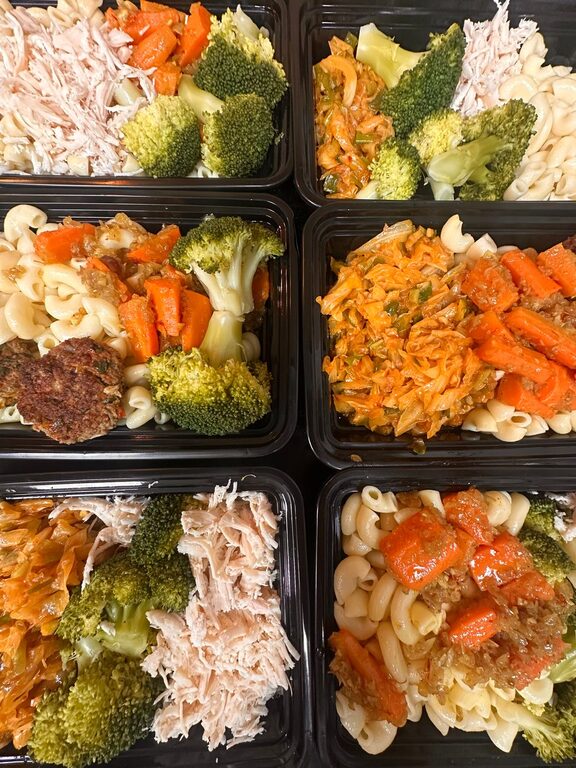
You don’t have to prep everything in one day — even small steps help reduce cooking time during busy evenings.
Additional Tips for Success
– Stay flexible: It’s okay to swap meals or adjust plans as needed.
– Involve family: Let others pick meals to increase buy-in.
– Use leftovers creatively: Turn dinner into next-day lunch with small tweaks.
– Keep a recipe list: Save favorite meals for quick reference.
– Review and adjust: See what worked each week and improve your plan.
Conclusion
Creating a simple weekly meal plan is a handy skill that can make your week run more smoothly. By assessing your schedule, choosing meals wisely, making a clear plan, and prepping ahead, you’ll spend less time worrying about what’s for dinner and more time enjoying your food. Start small, be flexible, and enjoy the benefits of stress-free meal planning!
