
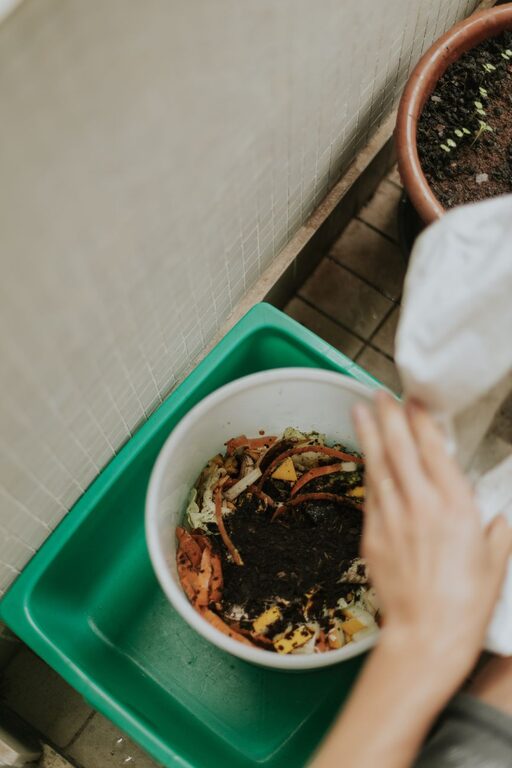
Beginner Tips for Composting at Home: Easy Steps to Start
Composting at home is a rewarding and environmentally friendly way to reduce waste and nourish your garden. If you’re new to composting, it might seem a bit confusing at first, but with the right approach, anyone can turn kitchen scraps and yard waste into rich, healthy soil. This guide will walk you through beginner-friendly tips to get started with composting at home.
What Is Composting?
Composting is the natural process of recycling organic matter, such as food scraps and yard debris, into a valuable soil amendment. Instead of throwing away vegetable peels, eggshells, grass clippings, and leaves, you can compost these materials to create a nutrient-rich humus that supports plant growth.
Benefits of Composting at Home
– Reduces waste in landfills: Composting helps divert organic waste from trash bins.
– Improves soil quality: Compost adds nutrients and improves soil structure.
– Saves money: Reduce the need for chemical fertilizers.
– Supports plants: Healthy soil helps your garden thrive.
– Environmentally friendly: Composting decreases greenhouse gas emissions.
Getting Started: Basic Composting Tips
1. Choose a Composting Method
There are several ways to compost at home, suitable for different spaces and lifestyles:
– Compost bin: A closed container that keeps materials contained and can speed up decomposition.
– Compost pile: A simple heap in your yard, easy to manage but may attract pests if not maintained.
– Tumbler: A rotating bin that makes it easier to mix compost and speeds up the process.
– Vermicomposting: Using worms to break down food scraps, ideal for indoor composting.
Choose the option that fits your space and preferences.
2. Select the Right Location
Place your compost bin or pile in a convenient, well-drained spot with partial sunlight. Avoid direct exposure to harsh sun or heavy rain. Good airflow is important, so avoid enclosed or cramped areas.
3. Understand What to Compost
Compostable materials are generally divided into greens and browns:
– Greens (Nitrogen-rich): Fruit and vegetable scraps, coffee grounds, grass clippings, fresh plant trimmings.
– Browns (Carbon-rich): Dry leaves, straw, cardboard, paper (non-glossy), wood chips.
Balance between greens and browns is crucial — aim for roughly 2 to 3 parts browns to 1 part greens.
4. Avoid Composting These Items
Certain materials can disrupt compost or attract pests:
– Meat, dairy, and oily foods
– Pet waste and cat litter
– Diseased plants
– Weeds with seeds
– Chemically treated wood or plants
5. Chop or Shred Larger Items
Cutting kitchen scraps and yard waste into smaller pieces helps materials break down faster.
6. Maintain Your Compost Pile
– Aerate regularly: Turn or mix your compost every 1-2 weeks to introduce air and speed decomposition.
– Keep it moist: Your compost should feel like a wrung-out sponge, not soggy or dry.
– Watch the temperature: Compost piles generate heat. A warm pile usually means it’s working well.
7. Be Patient
Composting can take anywhere from a few weeks to several months, depending on materials, conditions, and how often you turn the pile. Finished compost is dark, crumbly, and smells earthy.
Troubleshooting Common Composting Issues
– Bad odors: Usually caused by too much green material or poor airflow. Add more browns and turn the pile.
– Pile isn’t heating up: Add more greens and moisture, and turn the compost to activate microbes.
– Pests: Avoid adding meat or oily scraps and keep the bin covered. Use a closed bin or tumbler if necessary.
Tips for Using Your Finished Compost
– Mix finished compost into garden beds to enrich soil.
– Use it as mulch around plants to retain moisture.
– Add to potted plants for added nutrients.
– Sprinkle on lawns to improve soil condition.
Additional Composting Ideas
– Start a worm bin: Vermicomposting is great for apartment dwellers or those with limited outdoor space.
– Try bokashi composting: A fermentation process that works well for all food scraps, including meat.
– Community composting: Some communities offer shared composting programs if you can’t compost at home.
Final Thoughts
Starting to compost at home is easier than you might think. By choosing the right method, balancing your materials, and paying attention to moisture and aeration, you can create your own nutrient-rich compost to boost your garden’s health while helping the planet.
Happy composting!
