
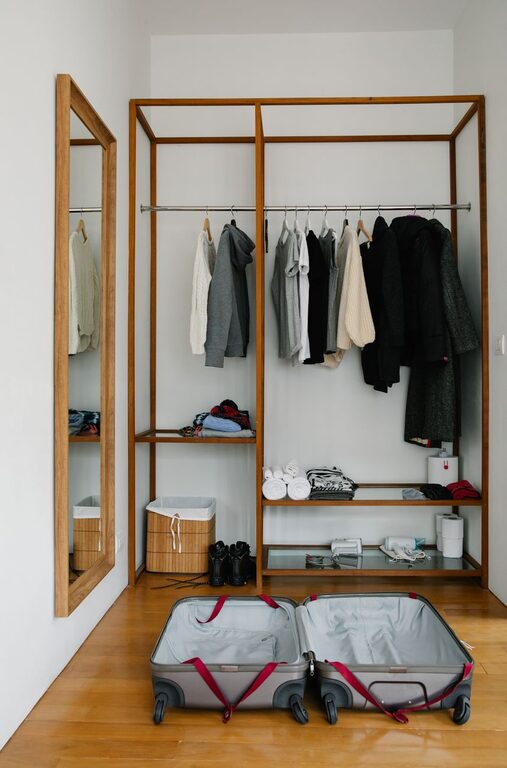
How to Store Seasonal Clothes Efficiently: Tips for a Clutter-Free Closet
Storing seasonal clothes efficiently is a practical way to save space, protect your garments, and keep your home organized throughout the year. Whether you’re packing away bulky winter coats or summer dresses, having a system can make transitioning between seasons easier and less stressful. In this post, we’ll explore helpful strategies and tips to store your seasonal clothes effectively.
Why Store Seasonal Clothes Properly?
Seasonal wardrobes can take up a lot of space if not managed well. Proper storage helps to:
– Preserve fabric quality by protecting clothes from dust, moisture, and pests.
– Maximize closet and storage space.
– Save time finding what you need during season changes.
– Keep your living area neat and clutter-free.
Preparing Your Clothes for Storage
Before packing your seasonal clothes, a few preparatory steps can extend their lifespan:
Clean Everything Thoroughly
Always wash or dry clean clothes before storing. Dirt, sweat, and oils can attract moths and cause stains to set. Make sure garments are completely dry to prevent mold or mildew.
Repair Minor Damage
Check for missing buttons, loose threads, or small tears. Fixing these issues before storage means your clothes will be ready to wear when you take them out.
Sort and Declutter
Use this opportunity to sort through your wardrobe. Donate or discard items you no longer wear to reduce the volume of clothes you need to store.
Choosing the Right Storage Solutions
Selecting the appropriate containers and storage methods plays a crucial role in maintaining your clothes’ condition.
Storage Containers
– Plastic Bins: Airtight plastic bins protect against moisture, dust, and pests. Choose clear bins to easily see contents.
– Fabric Storage Bags: Breathable and great for delicate fabrics; however, they don’t protect against moisture as well as plastic.
– Vacuum Seal Bags: Good for saving space, especially with bulky items like sweaters and coats. Be cautious as prolonged compression may harm some fabrics.
Storage Location
Store your containers in a cool, dry, and dark place such as a closet, under the bed, or a storage room. Avoid basements or attics where temperature and humidity fluctuate.
Organizing Clothes by Category and Frequency
When packing, organize clothes to make retrieval simple:
– Group by type (e.g., sweaters, pants, dresses) or occasion (casual, formal).
– Label containers clearly with content details.
– Place frequently used items near the top or front.
– Use dividers or smaller bags inside containers to separate items.
Using Cedar and Other Natural Repellents
Protect fabrics from moths and insects naturally by adding cedar blocks, chips, or sachets inside your storage containers. Lavender sachets are also a popular choice for a pleasant scent and insect deterrence.
Maintaining Your Seasonal Wardrobe
Once clothes are stored, maintenance is key:
– Inspect stored clothes every few months for any damage or moisture.
– Air out clothes and storage containers periodically.
– Replace or refresh natural repellents as needed.
Tips for Specific Types of Clothing
Wool and Knits
– Fold them carefully to avoid stretching.
– Store in breathable bags or bins with cedar blocks.
– Avoid hanging heavy knitwear.
Coats and Jackets
– Use padded hangers to maintain shape if storing on hangers.
– Cover with breathable garment bags.
– For longterm storage, folding and placing in bins may be better to save closet space.
Delicate Fabrics
– Use acid-free tissue paper to prevent creasing.
– Store in breathable bags.
– Avoid vacuum sealing, as it can damage delicate fibers.
Transitioning Your Wardrobe Between Seasons
When the season changes, switch out your clothing by following a routine:
- Take out stored items and inspect.
- Wash or refresh any clothes that need it.
- Reorganize your closet for easy access to current season items.
- Pack away the out-of-season clothes using the tips above.
Final Thoughts
Efficient storage of seasonal clothes not only keeps your home tidy but also prolongs your garments’ life. By cleaning, organizing, choosing the right storage solutions, and performing regular maintenance, you can enjoy an easier seasonal wardrobe change and a clutter-free home all year long.
With these tips, you’ll be well on your way to mastering seasonal clothes storage in an efficient, space-saving, and protective way. Happy organizing!
